How to Choose the Right Patio Cover for Your DFW Home: Expert Guide to Materials, Design, and Installation
Selecting the right patio cover for your Dallas–Fort Worth (DFW) home improves outdoor living by adding shade, weather protection, and curb appeal. This guide summarizes patio cover types, common materials for the DFW climate, design choices, and the installation process so you can make a practical, attractive decision that fits your home and lifestyle.
Key Takeaways
- Choose a patio cover that complements your DFW home’s style and outdoor use.
- Common materials: aluminum, wood, and vinyl — each has different durability and maintenance needs.
- Aluminum is rust-resistant and low maintenance, a strong fit for DFW weather.
- Wood provides a classic look but needs regular upkeep; vinyl is low-maintenance and fade-resistant.
- Design should balance aesthetics, functionality, and weather protection.
- Professional consultation, permits, and proper construction ensure a long-lasting installation.
- Financing (personal loans, home equity, contractor plans) can support custom projects.
Types of Patio Covers
Patio covers come in several basic styles. Each offers distinct benefits so homeowners can match appearance and maintenance expectations to their needs.
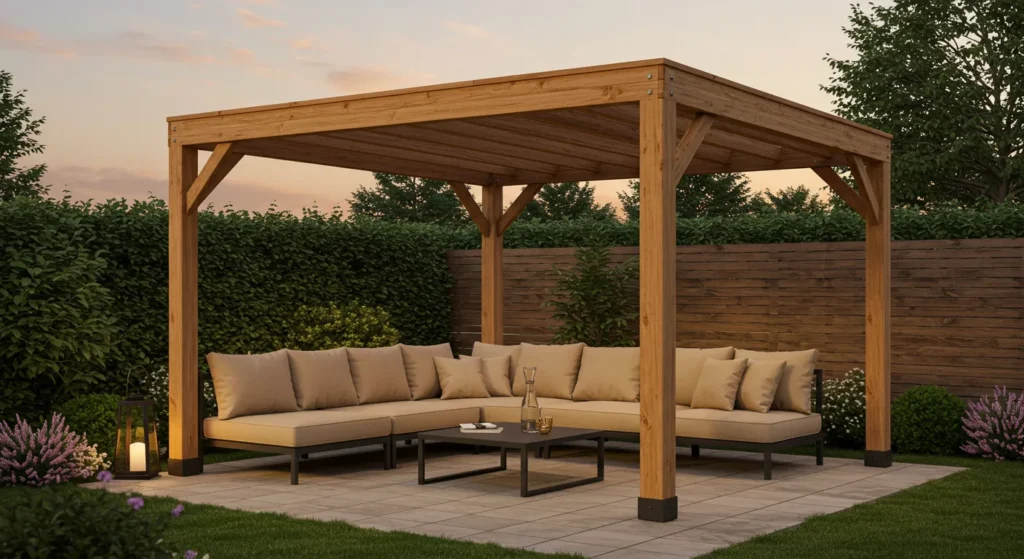
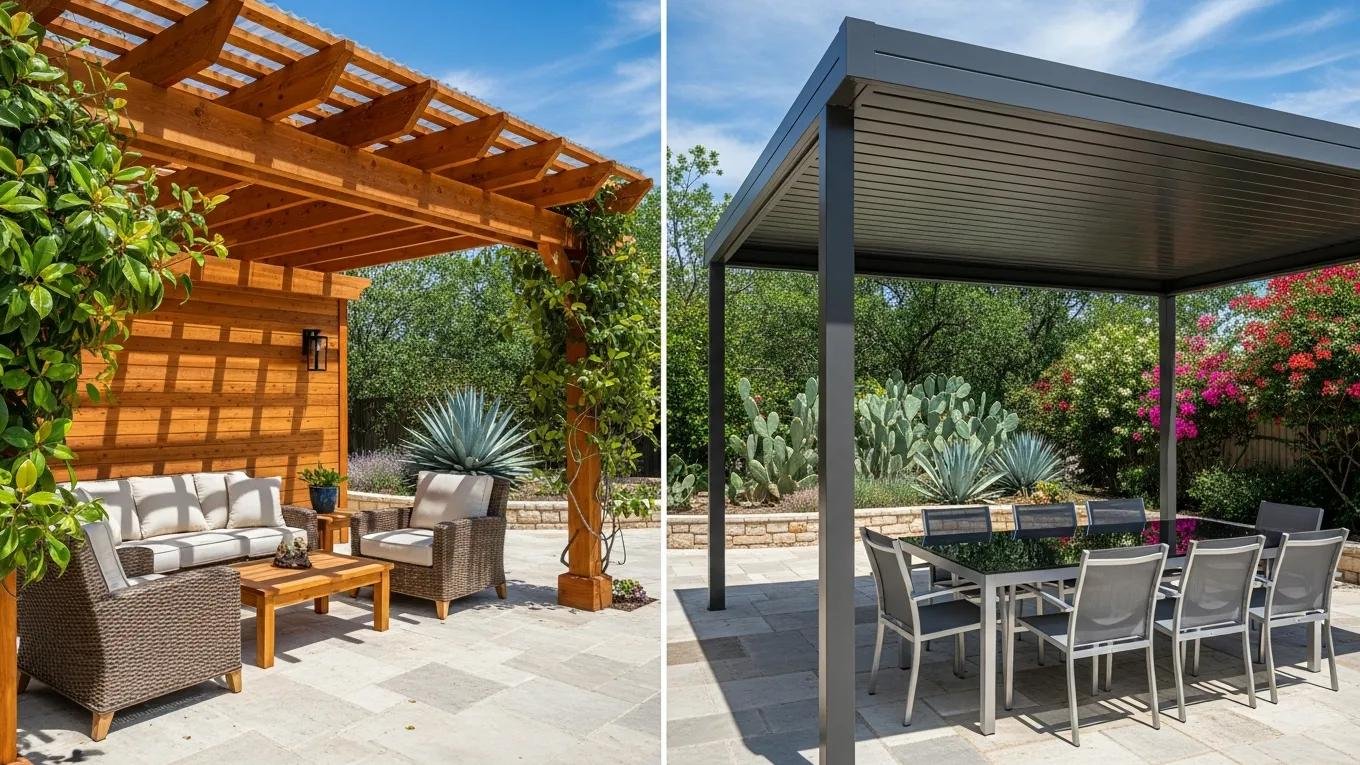
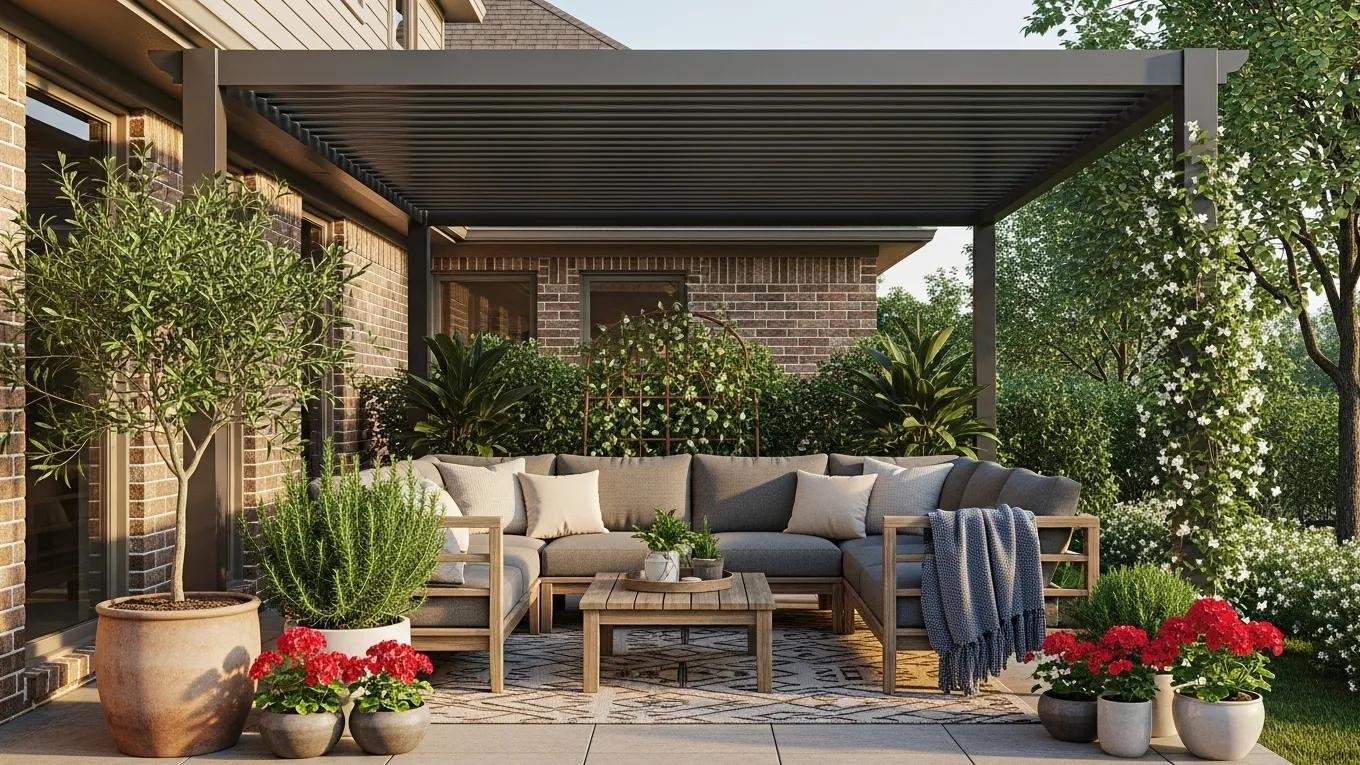
- Aluminum Patio Covers: Lightweight, durable, rust-resistant and low-maintenance; can mimic wood appearance.
- Wood Patio Covers: Natural, customizable look but requires sealing, staining, and pest prevention.
- Vinyl Patio Covers: Low-maintenance, fade- and crack-resistant, available in multiple colors and styles.
Use these distinctions to narrow options based on look and upkeep.
Materials
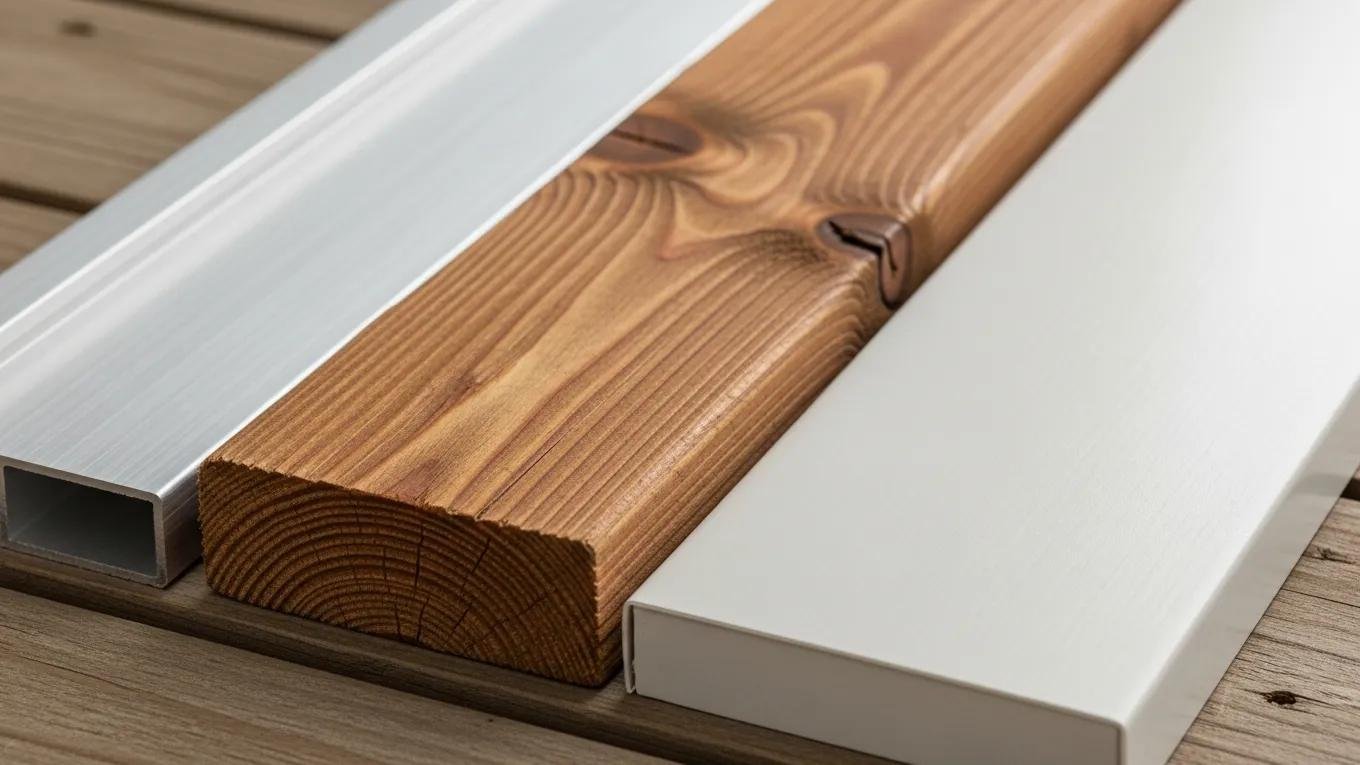
Your material choice affects durability, maintenance, and appearance. Key comparisons:
Aluminum resists heat, moisture, and warping — a practical DFW choice. Wood gives a warm, natural finish but needs ongoing care. Vinyl balances durability with minimal upkeep, making it popular for many homeowners.
Design Considerations
Plan a cover that complements your home’s architecture and landscaping while meeting functional goals.
- Aesthetics: Match colors, lines, and materials to the house and yard.
- Functionality: Size and features depend on intended use — entertaining, relaxing, or both.
- Weather Protection: Select a profile and materials that shield from sun, rain, and wind typical to DFW.
Addressing these factors results in an attractive, usable outdoor area.
Installation Process
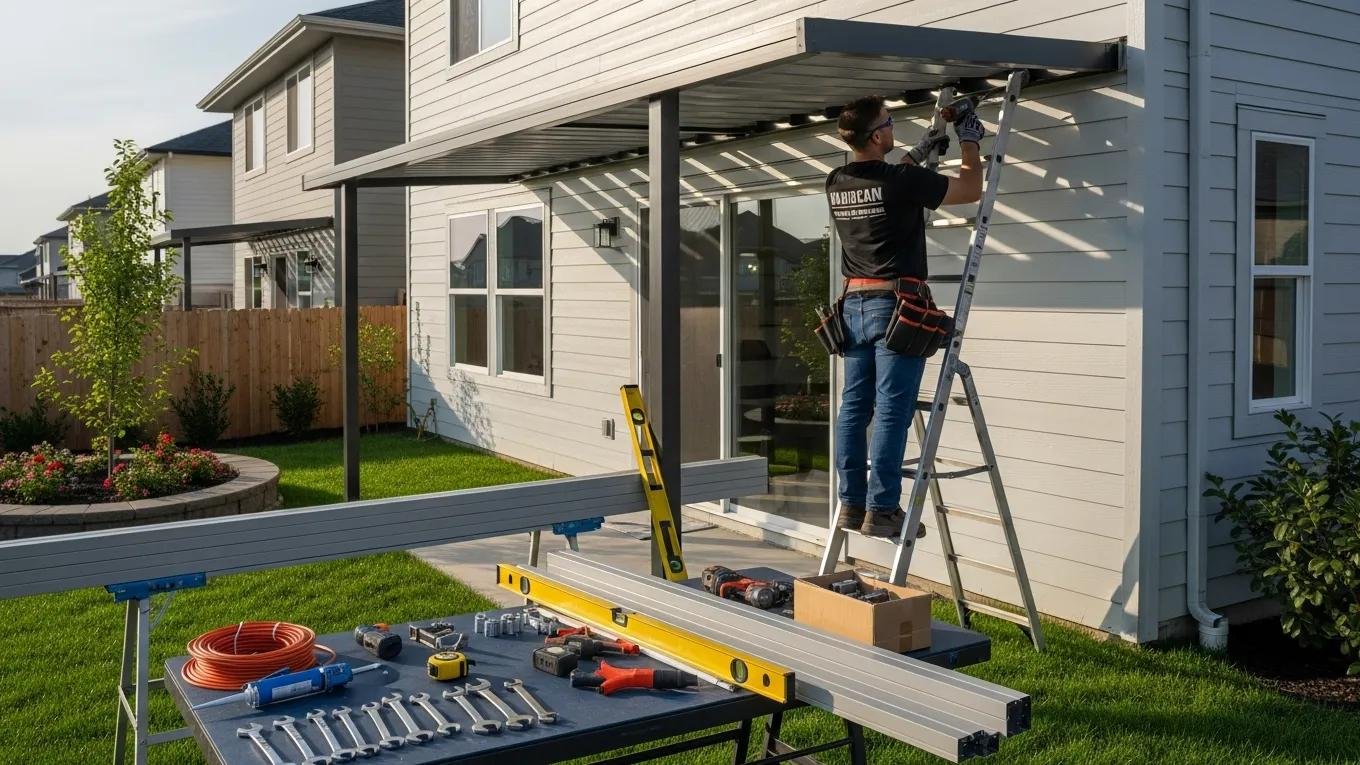
Proper installation follows a few standard steps that protect your investment and ensure code compliance.
- Consultation: Discuss goals, budget, and material choices with a contractor or designer.
- Custom Plan: Create a plan with dimensions, materials, and necessary permits.
- Construction: Permitting, site prep, and professional installation produce durable results.
Hiring experienced professionals helps navigate codes and deliver a safe, long-lasting cover.
Benefits of Patio Covers
Patio covers increase comfort and the value of your outdoor space:
- Enhanced Aesthetics: Improves the home’s look and outdoor ambiance.
- Increased Usability: Allows year-round or extended-season outdoor use in varied weather.
- Value Addition: Can boost resale appeal and functional living area.
What Are the Best Patio Cover Materials for Texas Homes?
For Texas climates, prioritize materials that resist heat, humidity, and sun exposure. Top choices include:
- Aluminum: Durable and low-maintenance for hot summers and sudden storms.
- Wood: Attractive when cared for; budget for sealing and repairs.
- Vinyl: Resists fading and cracking, offering long-term, low-maintenance performance.
Why Choose Aluminum Patio Covers for DFW Climate?
Aluminum resists rust and corrosion, tolerates high heat and heavy rain, and needs minimal maintenance — practical for busy homeowners in DFW.
How Do Wood and Vinyl Patio Covers Compare in Texas?
Wood delivers a classic appearance but requires sealing and insect protection. Vinyl needs less upkeep and resists fading, so choose based on the look you want and the maintenance you’re willing to perform.
How Can Custom Outdoor Patio Designs Enhance Your DFW Home?
Custom designs tailor the space to your lifestyle, adding features and finishes that increase comfort and function while reflecting personal style.
What Design Options Are Available for Personalized Patio Covers?
Common design choices include:
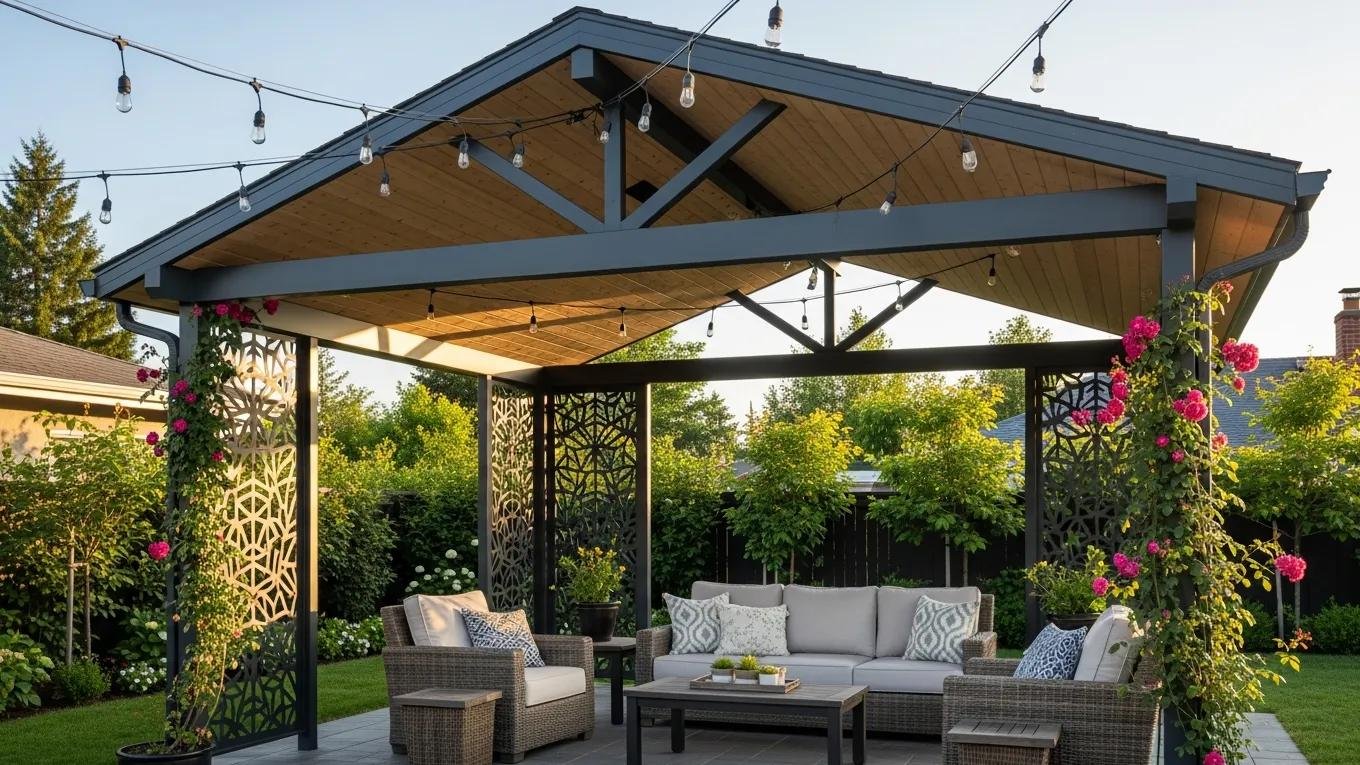
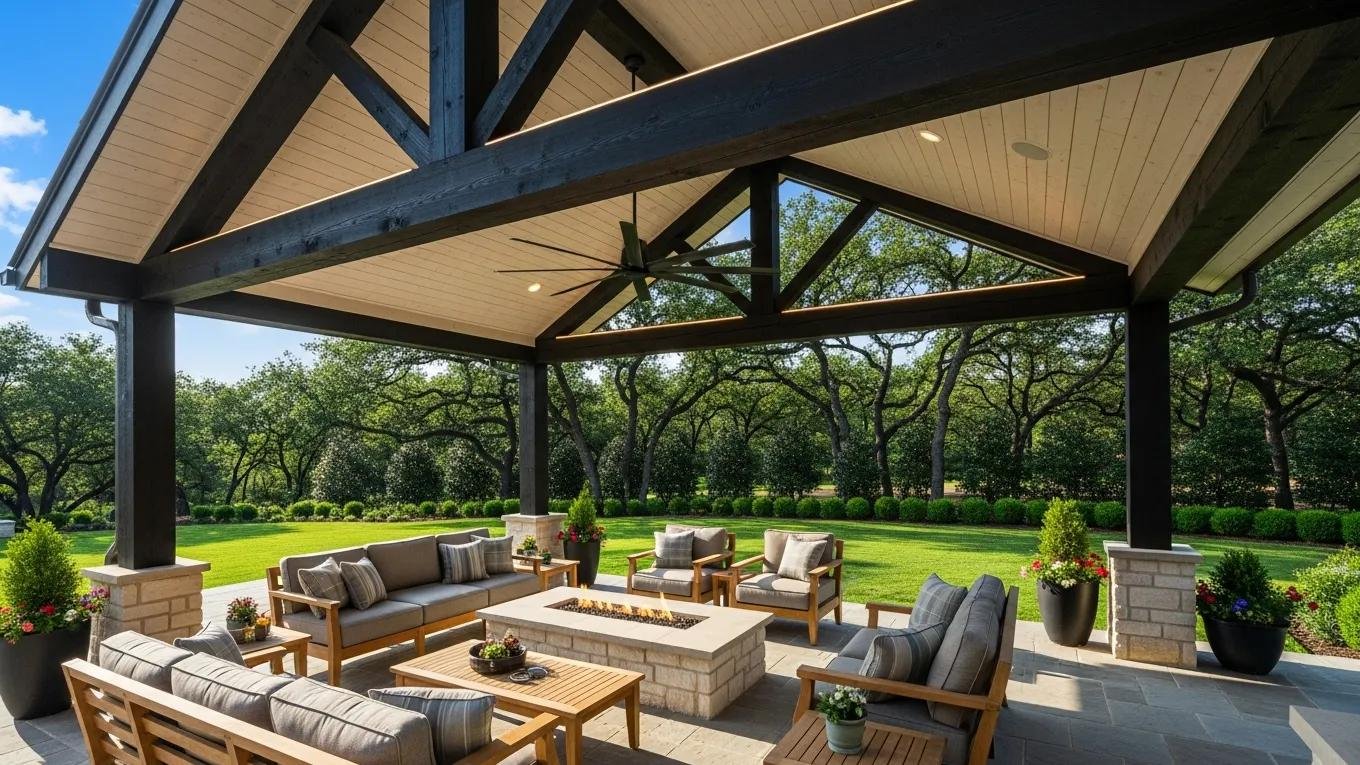
- Gable Roofs: Classic look with better airflow.
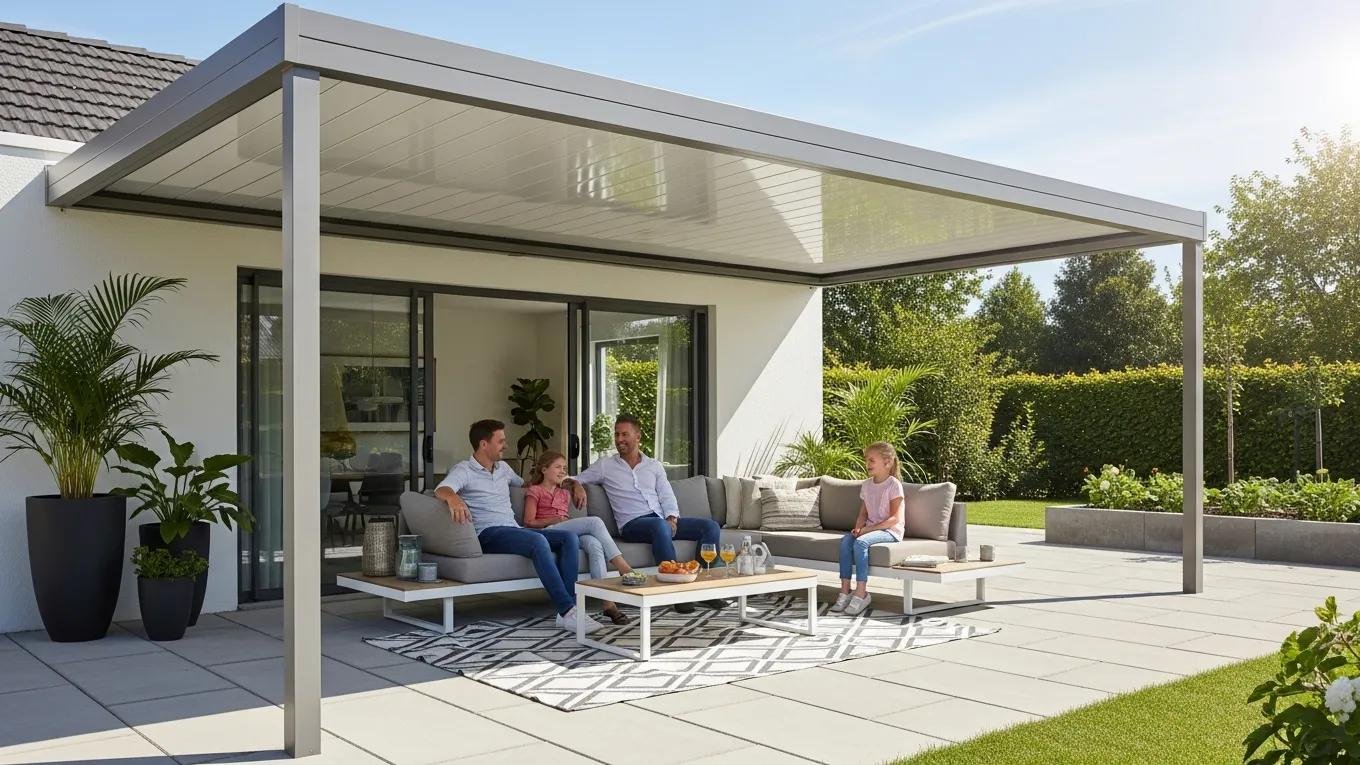
- Flat Roofs: Modern profile, easier integration with other structures.
- Lattice Designs: Decorative with partial shade.
How Does Custom Design Improve Outdoor Living Spaces?
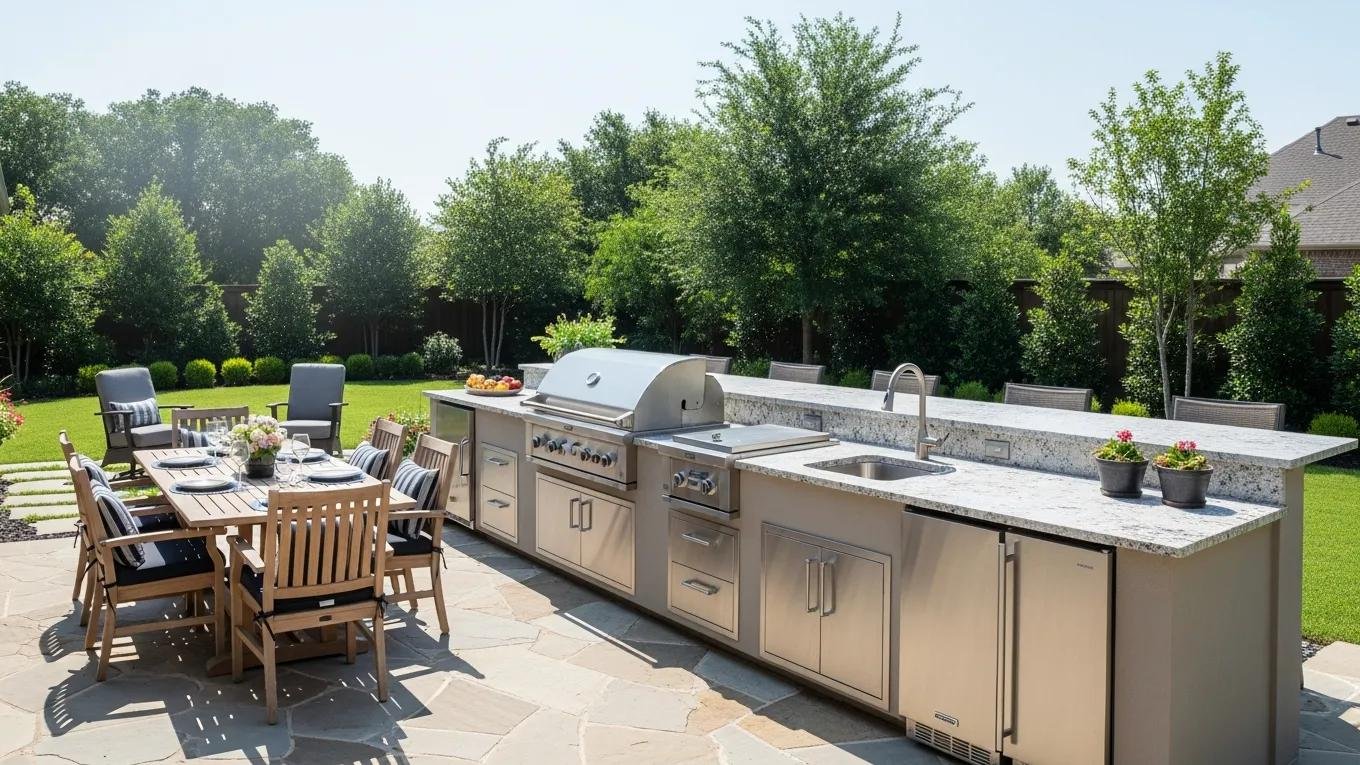
Custom covers can include lighting, ceiling fans, and even outdoor kitchens to enhance usability. Tailored solutions ensure the patio meets your specific needs.
What Should You Know About Patio Cover Installation Costs in Fort Worth?
Costs depend on materials, design complexity, and site preparation. A clear estimate helps you budget accurately.
A detailed cost estimate improves budget accuracy for DFW projects and helps inform your financial planning for a patio cover.
DFW Landscape Construction Cost Estimation Guide
This thesis applies quantitative methods to evaluate how detailed cost estimating helps landscape architects forecast construction costs in the Dallas – Fort Worth Metroplex. It examines the benefits of providing detailed cost estimates to clients during the design process and how accurate forecasts support meeting budget expectations.
Detailed cost estimation for landscape architecture: an indicator of final construction costs in the DFW Metropolitan area, 2015
- Material Choice: Materials drive a large portion of cost.
- Design Complexity: Intricate or custom features increase labor and material needs.
- Installation Location: Site access and prep affect pricing.
Which Factors Influence the Price of Patio Cover Installation?
- Material Selection: Aluminum, wood, or vinyl have different price profiles.
- Design Features: Custom elements or complex framing add costs.
- Site Preparation: Grading, removal, or foundation work increases the budget.
What Financing Options Are Available for Custom Patio Projects?
Common financing paths include:
- Personal Loans
- Home Equity Loans
- Payment Plans from contractors
These options can make custom projects more affordable by spreading costs.
What Local Permits and Building Codes Affect Patio Covers in DFW?
Permits and codes vary by city. In Fort Worth, permits are generally required for attached patio covers. Confirm local rules before starting work.
Do You Need a Permit for Patio Cover Installation in Fort Worth?
Yes — most attached structures require a permit. Check with Fort Worth building officials for specific requirements for your project.
How to Ensure Compliance with DFW Building Regulations?
- Research Local Codes: Review municipal requirements before planning.
- Consult Professionals: Contractors can manage permits and inspections.
- Keep Documentation: Maintain permit and inspection records.
Following these steps helps ensure safe, legal installations that meet local standards.
Frequently Asked Questions
What are the advantages of installing a patio cover?
Patio covers enhance curb appeal, extend the usable outdoor season, and can raise resale value. They make outdoor areas comfortable in sun or rain and create attractive living space additions.
How do I maintain my patio cover?
Maintenance depends on material: clean aluminum with soap and water; seal or stain wood periodically and inspect for pests; clean vinyl occasionally. Regular inspections and prompt repairs extend service life.
Can I install a patio cover myself, or should I hire a professional?
Simple, freestanding covers may be DIY for experienced homeowners, but professionals ensure correct installation, code compliance, and durability — especially for attached or custom covers.
What is the typical lifespan of a patio cover?
Lifespan varies by material: aluminum often exceeds 20 years with little upkeep; vinyl commonly lasts 20–30 years; wood typically lasts 10–15 years with regular care. Good maintenance extends longevity.
Are there any design trends for patio covers in 2023?
Trends include integrating natural elements and greenery, minimalist flat-roof designs, and built-in features such as lighting, fans, and outdoor kitchens for increased functionality and a modern look.
What should I consider when choosing a color for my patio cover?
Pick a color that complements your home and landscaping. Neutral tones are timeless; lighter colors reflect heat and help keep the area cooler, while darker tones may absorb heat.
Conclusion
Choosing the right patio cover transforms your outdoor living area. By weighing materials (aluminum, wood, vinyl), design options, and installation needs — and by consulting professionals and confirming local permits — you can create a durable, attractive patio that fits your DFW home and lifestyle.